Pasture Clearing in Utah County, UT
Pasture clearing services involve the removal of unwanted vegetation, brush, and small trees to create open, manageable land areas. This service is often requested for projects such as preparing land for agriculture, grazing, fencing, or recreational use. Property owners typically want to understand the extent of clearing needed, the types of vegetation involved, and how the process might impact the overall health of the land. Clear communication about the scope of work helps ensure the project aligns with land use goals and local regulations.
Before requesting pasture clearing, property owners should consider the size of the area, the types of plants or trees to be removed, and any specific land features that might influence the process. It’s also helpful to clarify whether the goal is complete removal or selective clearing, as well as any concerns about soil preservation or future land use plans. Having a clear understanding of these factors can facilitate a smooth and effective clearing project tailored to the property’s needs.
Many property owners in Utah County, UT look into Pasture Clearing for repairs, replacements, upgrades, and appearance-related improvements.
Land Maintenance
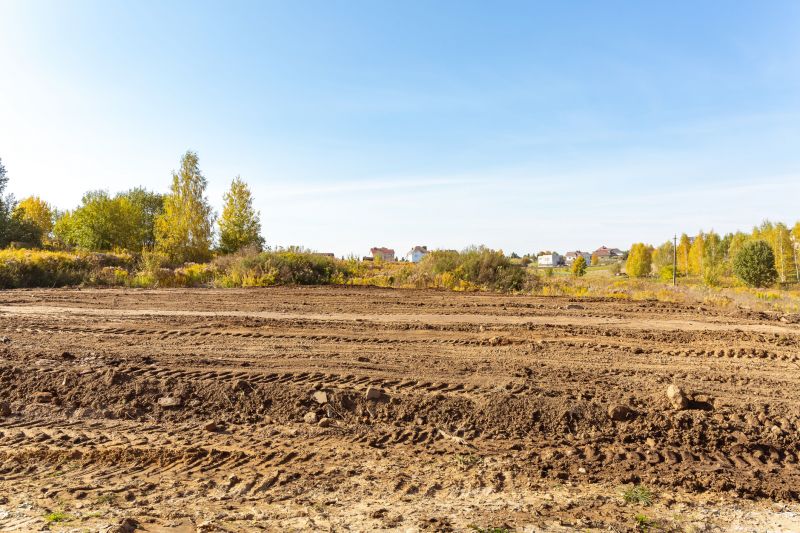
Pasture clearing helps maintain open and accessible land for grazing or recreation.
Brush And Weed Removal
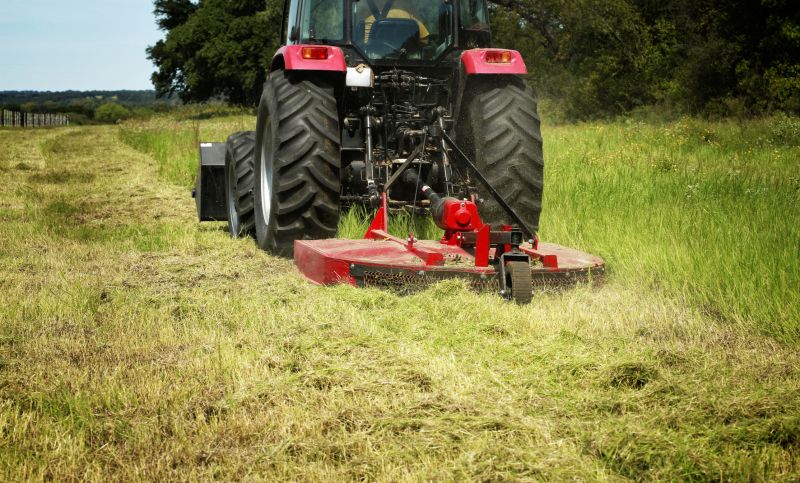
Clearing services eliminate invasive plants and unwanted brush to improve pasture health.
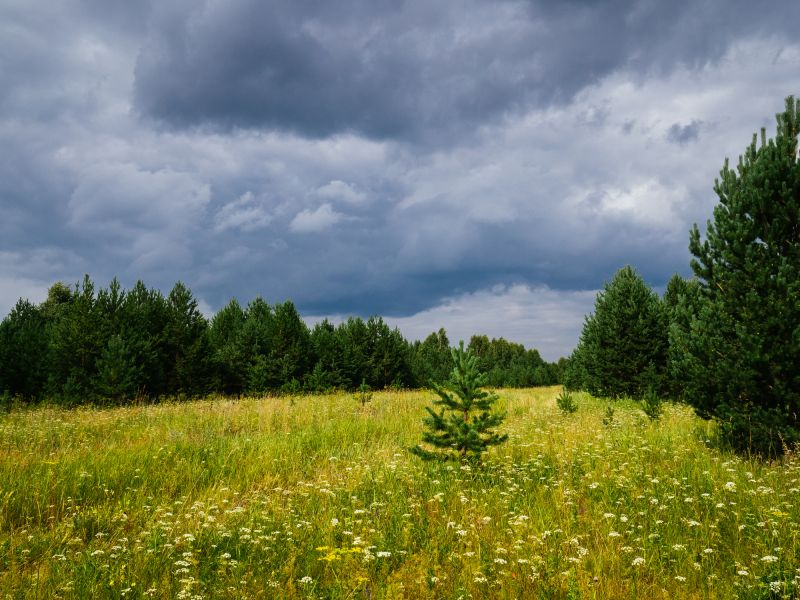
Property Enhancement
Proper pasture clearing can prepare land for new fencing, planting, or development projects in utah county, ut.
Pasture Clearing in Utah County, UT
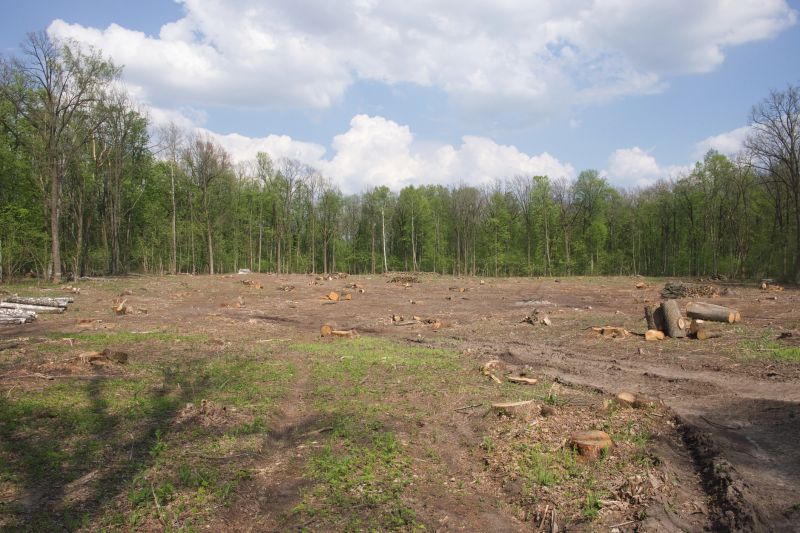
Pasture clearing services involve the removal of unwanted vegetation, brush, and small trees to create open, manageable land areas. This service is often requested for projects such as preparing land for agriculture, grazing, fencing, or recreational use. Property owners typically want to understand the extent of clearing needed, the types of vegetation involved, and how the process might impact the overall health of the land. Clear communication about the scope of work helps ensure the project aligns with land use goals and local regulations.
Before requesting pasture clearing, property owners should consider the size of the area, the types of plants or trees to be removed, and any specific land features that might influence the process. It’s also helpful to clarify whether the goal is complete removal or selective clearing, as well as any concerns about soil preservation or future land use plans. Having a clear understanding of these factors can facilitate a smooth and effective clearing project tailored to the property’s needs.
Many property owners in Utah County, UT look into Pasture Clearing for repairs, replacements, upgrades, and appearance-related improvements.
Common Pasture Clearing Jobs
Pasture Clearing - removes overgrown grass, weeds, and brush to improve pasture health.
Brush Removal - clears dense brush to create open space for grazing or land development.
Vegetation Management - controls invasive plants and promotes healthy pasture growth.
Land Clearing - prepares land for farming, construction, or recreational use.
Weed Control - eliminates invasive and unwanted plants to maintain a clean pasture.
Fence Line Clearing - clears vegetation along fence lines for better access and maintenance.
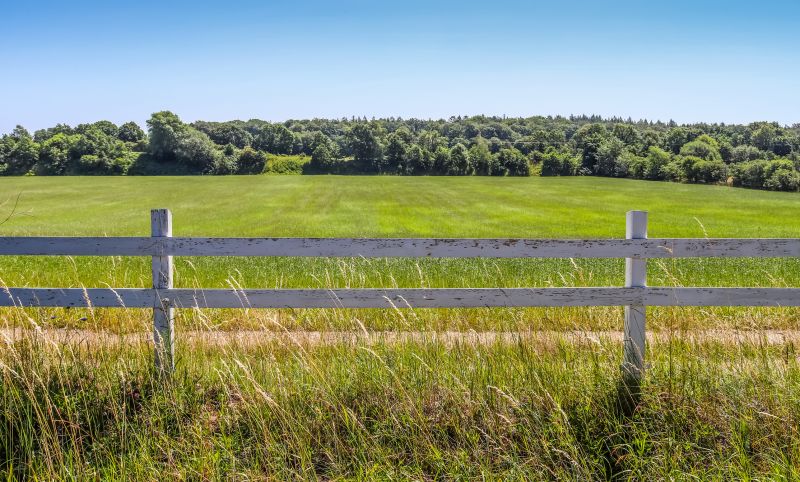
Pasture Clearing Questions
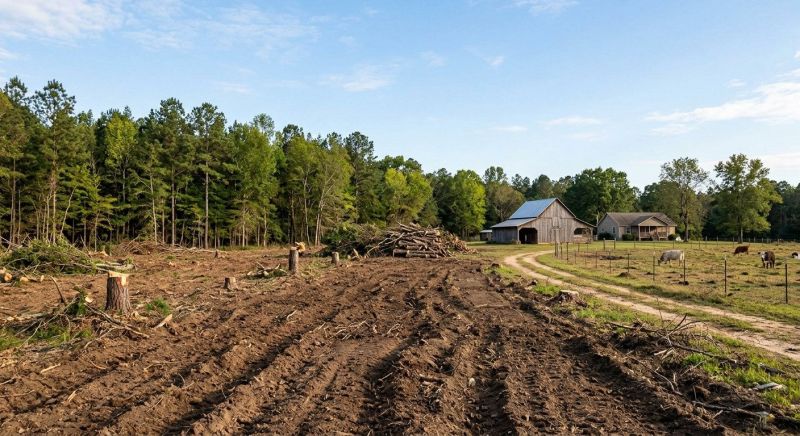
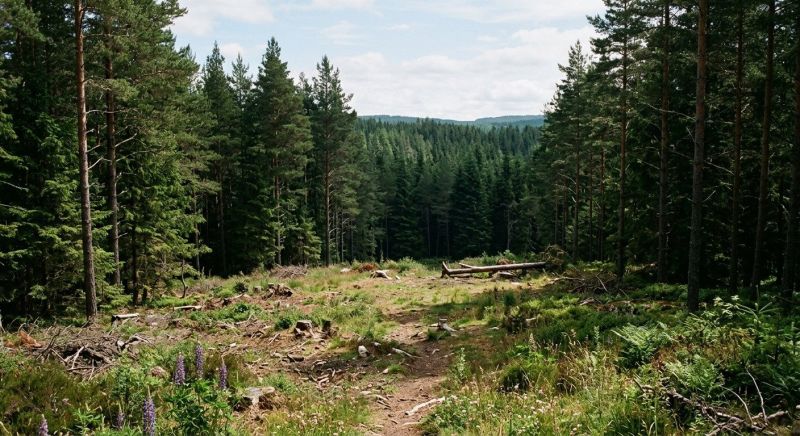
What is pasture clearing? Pasture clearing involves removing trees, shrubs, and brush to open up land for grazing, farming, or development purposes.
When is pasture clearing needed? It is often requested when preparing land for new crops, livestock, or construction projects.
What types of vegetation are typically removed? Commonly cleared vegetation includes tall grasses, bushes, small trees, and invasive plants.
Is pasture clearing suitable for all property sizes? Yes, it can be performed on small residential lots or larger rural properties as needed.
Request Pasture Clearing in Utah County, UT
Use the quote form on this page to share the basics of your project and request more information for the type of work you need.